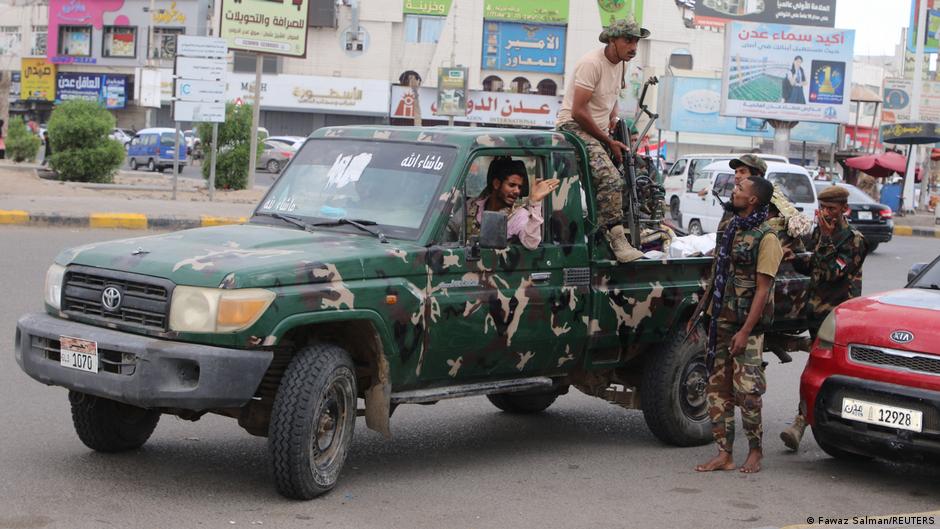
Saudi Coalition Strikes Yemen After Aramco Oil Attack
The Middle East remains a volatile epicenter of geopolitical tensions, and recent events have once again underscored the fragility of stability, particularly concerning global energy supplies. Following a devastating drone and missile assault on critical Saudi Aramco oil facilities, the Saudi-led Arab coalition has launched a significant military operation in Yemen. This retaliatory action marks a dangerous escalation in a protracted conflict, drawing renewed international attention to the Houthi rebellion, Iranian influence, and the broader implications for international trade and energy security. The precision and impact of the prior
атака на нефтяной объект have reverberated across global markets, demanding a forceful response from Riyadh and its allies.
The Coordinated Response: Saudi Coalition Strikes Yemen
In the immediate aftermath of the crippling attack on Saudi Arabia's oil infrastructure, the Saudi-led Arab coalition initiated a targeted military operation north of the strategic Yemeni port of Hodeidah. The coalition declared its objectives as solely "military facilities," issuing stern warnings to civilians to avoid any areas designated as targets. This preemptive measure highlights the coalition's stated commitment to minimizing civilian casualties, even amidst an intensified military campaign.
The operation quickly yielded results, with the coalition announcing the successful destruction of four sites identified as assembly points for explosive-laden drone boats and naval mines. A coalition spokesperson emphasized that "these facilities were used to carry out attacks and terrorist operations threatening maritime routes and international trade." This statement underscores the dual nature of the threat posed by such weaponry: direct military engagement and disruption of vital global shipping lanes.
The Saudi-led coalition has been deeply embroiled in Yemen's civil war since 2015, supporting the internationally recognized government against Houthi rebels. The Houthis, widely believed to be backed by Iran, have repeatedly demonstrated their capacity to launch cross-border attacks into Saudi Arabia, using an increasingly sophisticated arsenal of drones and missiles. This latest counter-operation by the coalition serves as a potent reminder of the ongoing struggle to contain Houthi aggression and protect Saudi national interests, particularly after the unprecedented
атака на нефтяной объект that shook the global energy market.
Unpacking the Aramco Assault: A Catalyst for Escalation
The catalyst for this renewed military push was the audacious and highly effective assault that occurred on the night of September 14. Drone attacks targeted key Saudi Aramco oil processing facilities, specifically Abqaiq and Khurais, causing extensive damage and forcing the company to drastically reduce its crude oil production by half. This sudden cut to output, representing about 5% of the world's daily supply, sent shockwaves through international oil markets, triggering a sharp spike in crude prices and raising immediate concerns about global energy stability.
The Houthi rebels were quick to claim responsibility for the attacks, asserting that they deployed a swarm of drones against the Saudi sites. While the Houthis' claims provided an immediate explanation, the sheer scale, precision, and sophistication of the assault led many international analysts and officials, including those in the United States, to point fingers directly at Iran. Regardless of the ultimate attribution, the incident exposed a profound vulnerability in the defenses of critical infrastructure in the region.
The economic ramifications of such an
атака на нефтяной объект are immense. Beyond the immediate impact on oil prices and supply, there are long-term considerations for investor confidence, insurance costs for regional operations, and the overall stability of the global energy sector. The incident highlighted how a single, well-executed attack could have disproportionate global economic consequences, making the protection of these vital assets a paramount concern for all nations reliant on stable energy supplies. For a deeper dive into the specifics of the drone strikes and their impact on oil production, please refer to our detailed report:
Saudi Aramco Attack: Drone Strikes Cut Oil Production.
Geopolitical Fallout: Iran, Regional Tensions, and International Pressure
The immediate aftermath of the Aramco attacks was characterized by a rapid escalation of geopolitical rhetoric and a frantic search for accountability. Saudi Arabia and the United States quickly pinned the blame on Iran, citing the complexity of the attack and the trajectory of the projectiles. Tehran vehemently denied any involvement, but the incident further exacerbated already sky-high tensions in the Persian Gulf.
The attacks placed immense pressure on international actors, particularly the United States. Reports from outlets like The Washington Post indicated that both Saudi Arabia and Israel actively urged President Trump to consider military retaliation against Iran. This put the Trump administration in a precarious position, balancing its desire to support allies and deter aggression with the significant risks of igniting a full-scale regional war. The potential for miscalculation and widespread conflict, particularly involving major oil-producing nations, became a tangible threat.
This complex web of alliances and rivalries is at the heart of the Middle East's instability. The Yemen conflict itself is widely viewed as a proxy war between Saudi Arabia and Iran, with the Houthis serving as Tehran's strategic leverage against Riyadh. Every significant development, such as this recent
атака на нефтяной объект and the subsequent Saudi response, risks pushing the region closer to an open confrontation between the two regional powers and their international backers. Understanding the intricate dynamics and the calls for a US response is crucial for grasping the full scope of the crisis; learn more about the pressure on President Trump here:
Aramco Oil Attack: Trump Urged to Target Iran by Allies.
Protecting Critical Infrastructure: Lessons from the атака на нефтяной объект
The Aramco attacks served as a stark wake-up call regarding the evolving nature of threats to critical infrastructure, particularly in the energy sector. The era of conventional warfare is increasingly being supplemented by asymmetric tactics, utilizing relatively inexpensive but highly effective tools like drones and cruise missiles to bypass traditional defenses. This specific
атака на нефтяной объект provides invaluable lessons for governments and corporations worldwide on bolstering security measures:
- Layered Air Defense Systems: Reliance on single-point defense is no longer sufficient. Integrated air defense systems, combining radar detection, early warning networks, and a mix of short- to long-range interceptors (such as Patriot missile systems or even sophisticated anti-drone jammers), are crucial for creating defensive layers.
- Enhanced Surveillance and Intelligence: Proactive intelligence gathering to anticipate and disrupt attack plans before they materialize is paramount. This includes human intelligence, signals intelligence, and satellite monitoring of potential launch sites and transit routes.
- Physical Security Reinforcement: While not a silver bullet against aerial threats, strengthening physical barriers, access controls, and hardening vulnerable structures can mitigate damage and deter ground-based infiltration.
- Cybersecurity Integration: Modern industrial control systems (ICS) that manage oil facilities are often networked. A cyberattack on these systems could potentially disable defenses or facilitate physical attacks. Robust cybersecurity protocols are non-negotiable.
- Resilience and Redundancy: Building redundancy into critical systems and developing rapid repair and recovery capabilities can significantly reduce the downtime and economic impact after an attack. This includes maintaining strategic reserves and alternative supply routes.
- International Cooperation: Sharing threat intelligence, collaborating on defense technologies, and coordinating responses with international partners are essential for collective security against transnational threats.
The need for continuous innovation in defense strategies is underscored by the increasing sophistication and accessibility of drone technology. Protecting an expansive, often remote, oil facility from swarms of autonomous drones presents a unique challenge that demands a multi-faceted and adaptive approach.
Conclusion
The recent Saudi-led coalition strikes in Yemen represent a critical juncture in the ongoing conflict, directly linked to the audacious
атака на нефтяной объект targeting Saudi Aramco. While the coalition aims to neutralize threats to its territory and maritime security, these actions risk further destabilizing an already fragile region. The incident has not only highlighted the vulnerabilities of global energy infrastructure but has also intensified the dangerous geopolitical chess match involving Saudi Arabia, Iran, and their international allies. As calls for de-escalation compete with demands for retribution, the world watches with bated breath, recognizing that the future of energy security and regional stability hinges on navigating these treacherous waters without succumbing to a wider, more devastating conflict. The lessons learned from this attack on oil facilities must drive global efforts toward enhanced security measures and renewed diplomatic engagement to prevent future catastrophes.